5 Remedies Compared

5 Natural Blood Pressure Remedies Ranked — Most People Are Taking #4 or #5

We compared the 5 most popular natural blood pressure remedies based on clinical evidence. We looked at how many of the 3 causes of high blood pressure each one actually targets. The results? Most people are spending money on supplements that only address a fraction of the problem.

5 Natural Blood Pressure Remedies Ranked
Key Findings

High blood pressure runs on three mechanisms. Most natural remedies only address one.

A stress hormone constricts your blood vessels. Your vessel walls lose flexibility and stiffen. And excess sodium and fluid build up in your bloodstream, pushing against those walls. These three mechanisms work together, which is why single-pathway supplements rarely move the needle on their own.

Beetroot relaxes vessels but wears off within hours. Garlic mildly inhibits the stress hormone but at unreliable doses. Magnesium helps vessel flexibility, but only if you're actually deficient. CoQ10 supports general heart function but doesn't directly lower blood pressure at all. Of the 5 remedies tested, 4 addressed only one mechanism, and 1 addressed none. Only one natural compound showed activity across all three: Hibiscus sabdariffa, with 65+ clinical trials and systolic reductions of 7 to 23 mmHg.

The Framework

Three Mechanisms Behind High Blood Pressure

Each mechanism requires a different approach. Single-mechanism remedies leave the other two running unchecked.

Mechanism 1 of 3

Stress hormone constricts vessels

ACE (angiotensin-converting enzyme) tightens your blood vessels and keeps them constricted. This is the same mechanism prescription ACE inhibitors target. Of the 5 remedies tested, only garlic showed mild ACE inhibition — but studies are inconsistent and effective doses often cause stomach issues. Hibiscus showed consistent ACE-inhibitory activity across multiple trials without tolerability problems.

Mechanism 2 of 3

Blood vessels lose flexibility

Stiff vessel walls can't expand properly, so pressure stays elevated. Beetroot boosts nitric oxide to relax vessels temporarily, and magnesium supports smooth muscle function — but both effects fade within hours. Hibiscus contains anthocyanins that support sustained vessel relaxation, which is why studies show effects that hold across full-day monitoring.

Mechanism 3 of 3

Excess salt and fluid build up

Too much sodium and fluid in the bloodstream pushes against vessel walls. This is what prescription diuretics target. None of the other four remedies — beetroot, garlic, magnesium, or CoQ10 — have shown diuretic activity. Hibiscus has. One head-to-head trial found it comparable to Hydrochlorothiazide, with 100% tolerability. No participants dropped out due to side effects.

What this means: Most people taking natural blood pressure supplements are addressing one mechanism at best. The other two keep running. Hibiscus is the only natural remedy in this comparison that showed activity across all three — backed by 65+ clinical studies with systolic reductions of 7 to 23 mmHg.
Head-to-Head

How the Top 5 Natural Remedies Compare

Side-by-side comparison across the 3 causes of high blood pressure each remedy actually targets.

Calhealing Hibiscus Tea#1 Pick Beetroot Juice#2 Garlic Supplements#3 Magnesium Supplements#4 CoQ10 Supplements#5
CriteriaHibiscus TeaBeetrootGarlicMagnesiumCoQ10
Causes Addressed3 / 31 / 31 / 31 / 30 / 3
Blocks Stress Hormone (ACE)
Relaxes Blood Vessels
Flushes Excess Salt & Fluid
Clinical Evidence65+ studiesModerateInconsistentOnly if deficientWeak
Our Ranking#1#2#3#4#5
Results

5 Natural Blood Pressure Remedies, Ranked

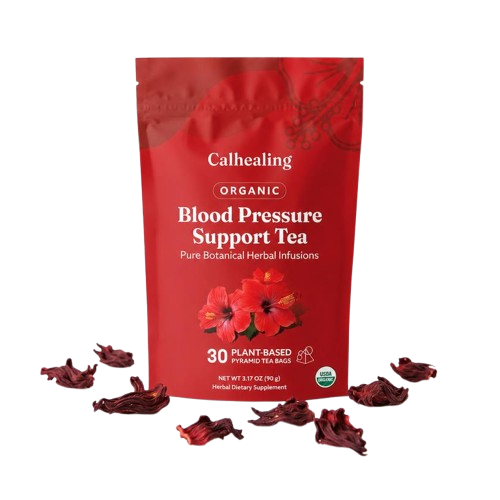
Calhealing Hibiscus Tea

Hibiscus Tea (Calhealing)

Calhealing · 100% Hibiscus Sabdariffa · 3g clinical dose per teabag
3/3 Causes 65+ Studies USDA Organic Caffeine-Free No Fillers
#1
Top Ranked

Strengths

  • The only natural remedy in this comparison that addresses all 3 mechanisms of high blood pressure.
  • 65+ clinical trials with systolic reductions of 7 to 23 mmHg.
  • 100% Hibiscus sabdariffa — the species used in virtually every clinical study on hibiscus and blood pressure.
  • 3g per teabag, matching the clinical dose. Most grocery store hibiscus teas contain less than 1g.
  • USDA Organic. Tested for heavy metals. No fillers, no blends, no other ingredients.
  • 100% tolerability in clinical trials. Safe alongside blood pressure medication (with doctor's approval).

Limitations

  • Tart taste — most users add honey or a natural sweetener.
  • Results take 2-4 weeks to become measurable. Not an overnight fix.
  • Only available online.
Bottom line: Calhealing earned the top spot because it's the only option in this comparison that covers all three blood pressure mechanisms in one product. The clinical evidence is strong (65+ studies), the dose matches what was used in research, and tolerability is a non-issue. First results typically appear within 2-4 weeks with consistent daily use of 2-3 cups.
See Current Price
90-Day Money-Back Guarantee
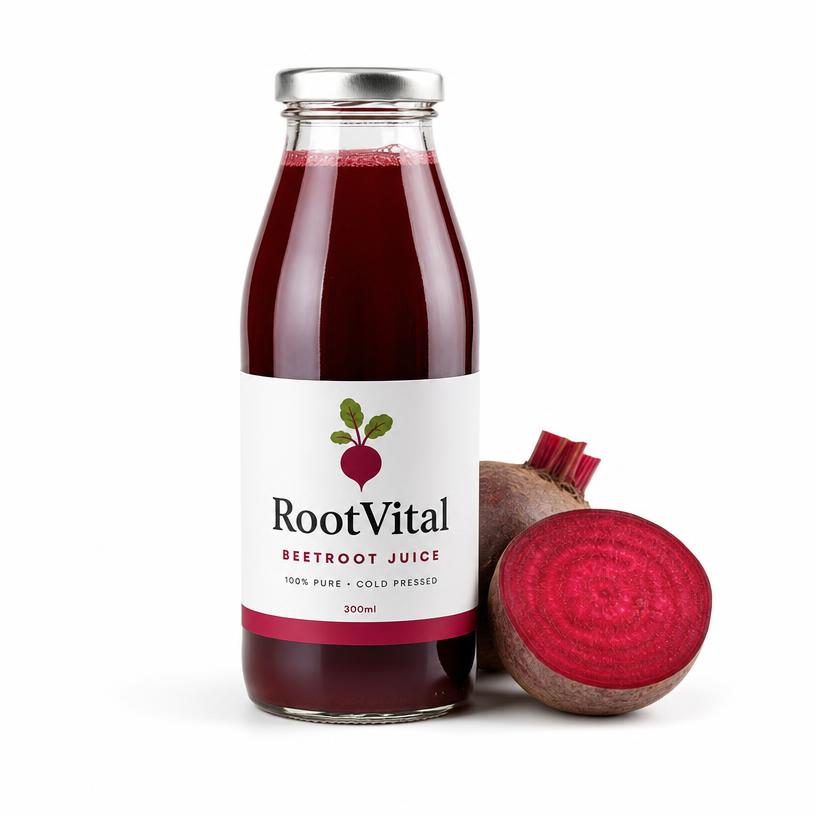
Beetroot Juice

Beetroot Juice

Various brands · Nitric Oxide booster · Strongest of the four alternatives
1 of 3 CausesShort-lasting
#2
Ranking
Bottom line: Beetroot is the strongest single-mechanism option in this comparison. It genuinely relaxes blood vessels through nitric oxide. But the effect is temporary — typically a few hours — and it doesn't address the stress hormone or fluid retention. For people who want partial, short-term support, it works. For sustained all-day coverage, it falls short.
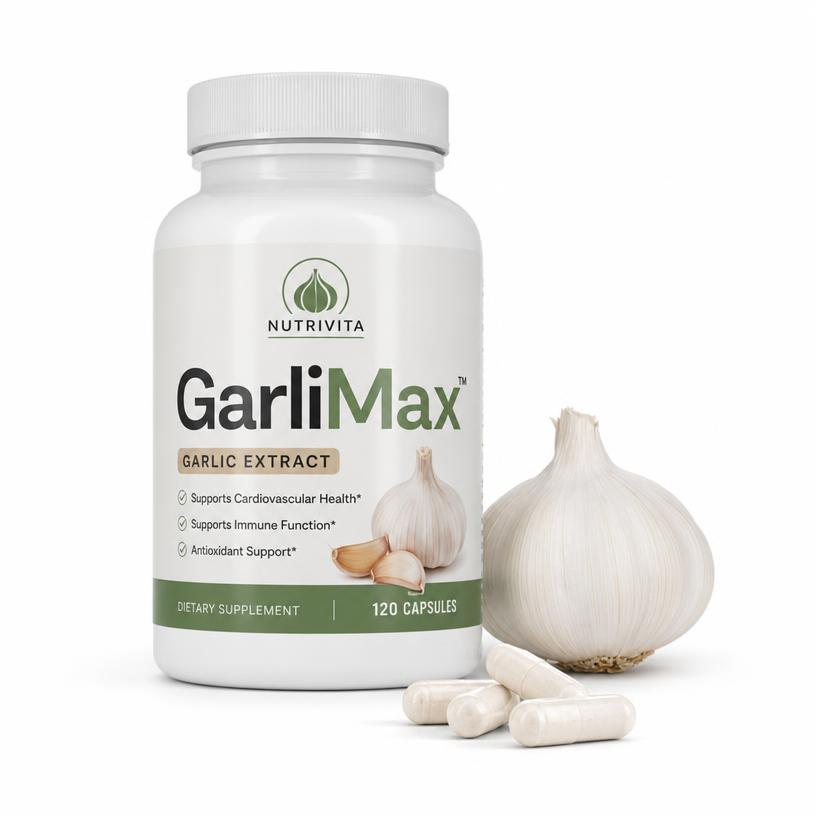
Garlic Supplements

Garlic Supplements

Various brands · Mild ACE inhibition · Inconsistent results
1 of 3 CausesUnreliable
#3
Ranking
Bottom line: Garlic targets the right mechanism — ACE inhibition — which is the same pathway prescription drugs use. The issue is consistency. Studies show mixed results, effective doses tend to cause stomach discomfort, and it doesn't touch vessel stiffness or fluid retention. A reasonable supporting supplement, but not reliable enough on its own.
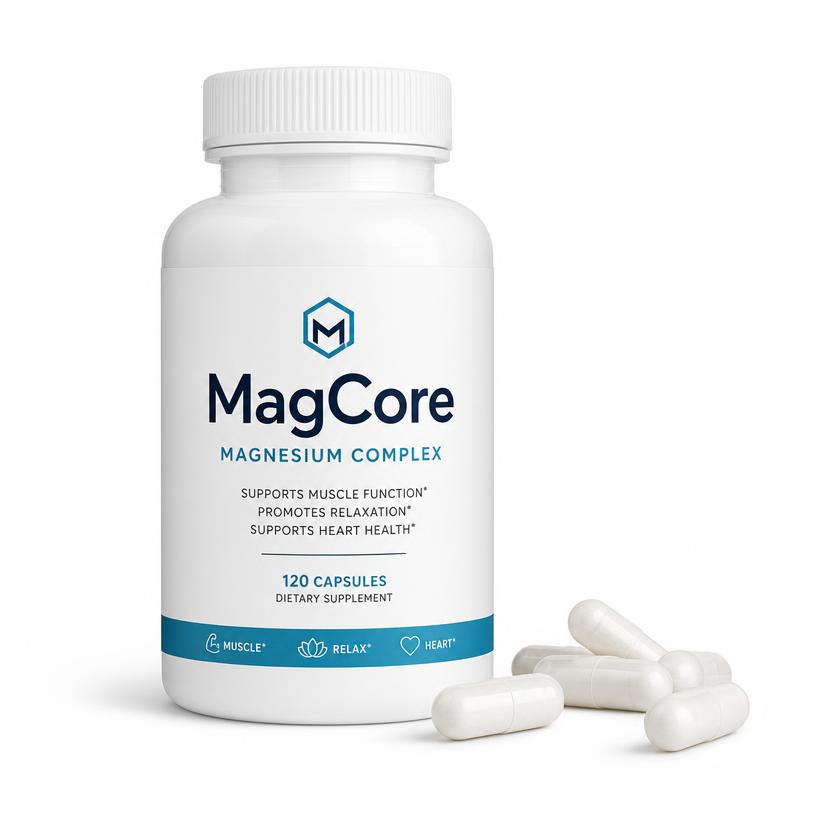
Magnesium Supplements

Magnesium Supplements

Various brands · Vessel relaxation · Only works if deficient
1 of 3 CausesConditional
#4
Ranking
Bottom line: Magnesium supports blood vessel relaxation, and the research behind it is real. The catch is that it only makes a meaningful difference if you're actually deficient — and most people don't know whether they are. Even when it works, it covers one mechanism. The stress hormone and fluid retention go unaddressed. Useful as a general mineral, but limited as a standalone blood pressure strategy.
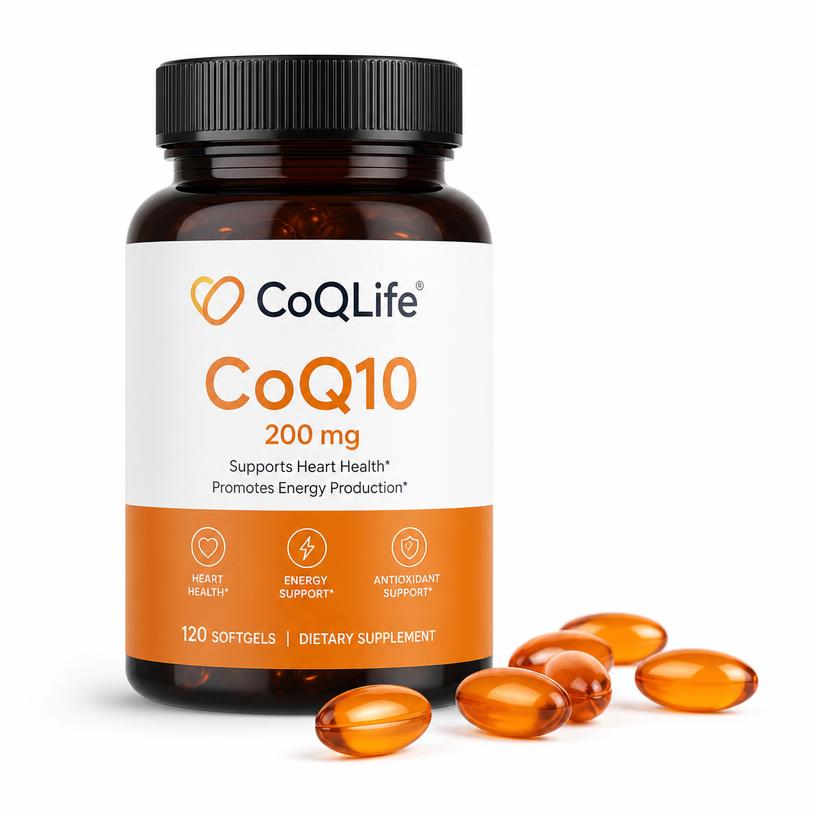
CoQ10 Supplements

CoQ10

Various brands · General heart support · No direct BP evidence
0 of 3 CausesWeak Evidence
#5
Ranking
Bottom line: CoQ10 is one of the most popular heart supplements on the market, and it may support general cardiac function. But when it comes to directly lowering blood pressure, the evidence is weak and inconsistent. It doesn't inhibit ACE, doesn't relax vessels, and doesn't flush fluid. That's 0 out of 3 mechanisms. Not a bad supplement — just not the right tool for this specific job.
Your First 90 Days

What to Expect With Hibiscus Tea

Week 1–2

Body adjusts to anthocyanins

No dramatic changes yet — that's normal. Your body is building up the active compounds. Stay consistent. 2-3 cups daily.

Week 2–4

First measurable drops appear

Typically 5-8 mmHg. Start measuring. Same time every morning. This is when the three mechanisms begin working together.

Week 4–8

All 3 mechanisms in full effect

Reductions build up to 7-23 mmHg in studies and confirmed by customers. Individual results vary. This is where real results happen.

Week 8–12

Results stabilize

Your new baseline is established. Solid data to share with your doctor. Book a checkup. Share your data.

The clinical protocol: 2-3 cups daily. Each teabag contains 3g of whole dried hibiscus — matching the dosages used in studies. A 2 mmHg drop reduces heart disease mortality by 4%. Hibiscus averages 7-13 mmHg.
Our #1 Pick

The only natural remedy that targets all 3 causes.

65+ clinical studies. Drops of 7-23 mmHg. Thousands of customers. 90-day money-back guarantee.

Calhealing Hibiscus Tea

Calhealing Hibiscus Tea

90-Day Bundle

  • Targets all 3 causes of high blood pressure
  • 100% Hibiscus Sabdariffa · 3g clinical dose
  • USDA Organic · No fillers · Caffeine-free
  • Free shipping · No subscriptions · No auto-billing
See Current Price
90-Day Money-Back Guarantee
FAQ

Common Questions

Yes, but inform your doctor first. Hibiscus can enhance the effect of BP medication, which means your doctor should monitor your readings, especially in the first few weeks.
The clinical protocol is 2-3 cups daily. Each teabag contains 3g of whole dried hibiscus, matching the dosages used in the 65+ clinical studies.
Most people see first measurable drops (5-8 mmHg) within 2-4 weeks. Full results (7-23 mmHg) typically establish between weeks 4-8. Results stabilize by week 8-12.
Most grocery store hibiscus teas contain less than 1g per bag — you'd need 10+ cups a day. Calhealing uses 3g per teabag, the exact clinical dose. 100% Hibiscus sabdariffa (the species used in studies). USDA Organic. Tested for heavy metals. No fillers. No blends.
Hibiscus tea has shown 100% tolerability in clinical trials. No participants quit due to side effects. The taste is tart — some people add honey or sweetener.
Yes, 100% caffeine-free. You can drink it at any time of day, including before bed.

Editorial Disclosure

Affiliate Disclosure: BloodPressureTested may earn commission when you purchase through links on this page. Rankings are based on clinical evidence, mechanism analysis, and peer-reviewed research. Commission does not influence ranking order.

FDA Disclaimer: These statements have not been evaluated by the Food and Drug Administration. These products are not intended to diagnose, treat, cure, or prevent any disease. Consult your healthcare provider before starting any supplement or making changes to your medication.

© 2026 BloodPressureTested. All rights reserved.